
Roof Repair
What To Do When Your Roof Leaks After Heavy Rain In New Jersey
A roof leak after heavy rain needs prompt attention, but the safest first steps happen inside: contain the water, protect electrical areas, document the damage, and avoid climbing onto a wet roof.
Quick Answer
If your roof leaks after heavy rain, move belongings away from the area, contain dripping water with a bucket, and keep clear of wet electrical fixtures or a sagging ceiling. Photograph the damage when safe, but do not climb onto a wet roof or attempt a temporary repair during active weather. Schedule a professional roof inspection once conditions allow so the entry point and any hidden moisture can be identified.
Start Inside: Protect People And The Home
A leak that appears during or after a storm should be treated as a water-management problem first. Move furniture, electronics, rugs, and stored belongings out of the drip path. Place a bucket or waterproof container under active drips, and use towels around the container to keep water from spreading across finished flooring.
Keep clear of ceiling lights, outlets, power strips, and electrical equipment near the moisture. If water is close to an electrical fixture or the service panel, do not touch it. A ceiling that is swollen, bowed, or actively releasing water can fail unexpectedly, so keep people out from underneath and arrange professional help promptly.
- Move valuables and furniture away from the wet area.
- Contain dripping water without standing on furniture or using unsafe ladders.
- Avoid wet electrical fixtures, outlets, and ceiling fans.
- Stay clear of a ceiling that is bulging or sagging.
Do Not Go Onto A Wet Roof
It is tempting to look for a missing shingle or open flashing as soon as water appears inside. Wet roofing, wet ladders, wind, loose debris, and reduced visibility make that risky. A small repair is never worth a fall, and walking on a compromised area can make storm damage worse.
Wait for dry, safe conditions and let a qualified roofing professional inspect the roof, flashing, penetrations, valleys, vents, gutters, and surrounding materials. The visible interior drip may be several feet away from the actual roof entry point because water can travel along framing, underlayment, or insulation before it reaches the ceiling.
Document What You Can See
Take clear photos or short videos of ceiling stains, drips, wet belongings, and exterior debris from a safe location. Note when the leak started, whether it happens only in wind-driven rain, and which rooms are affected. Those details help a roofer identify likely paths for water and can be useful when discussing storm-related damage with an insurer.
Do not pull apart wet ceilings, roofing materials, or insulation to investigate. Hidden materials can be unstable, and opening a surface without a plan can spread moisture or create a larger repair area.
- Record the date, weather conditions, and affected rooms.
- Photograph water stains before cleaning or drying them.
- Save receipts for emergency mitigation or temporary protection.
- Keep a simple timeline of calls, inspections, and repairs.
Common Reasons Roofs Leak After Heavy Rain
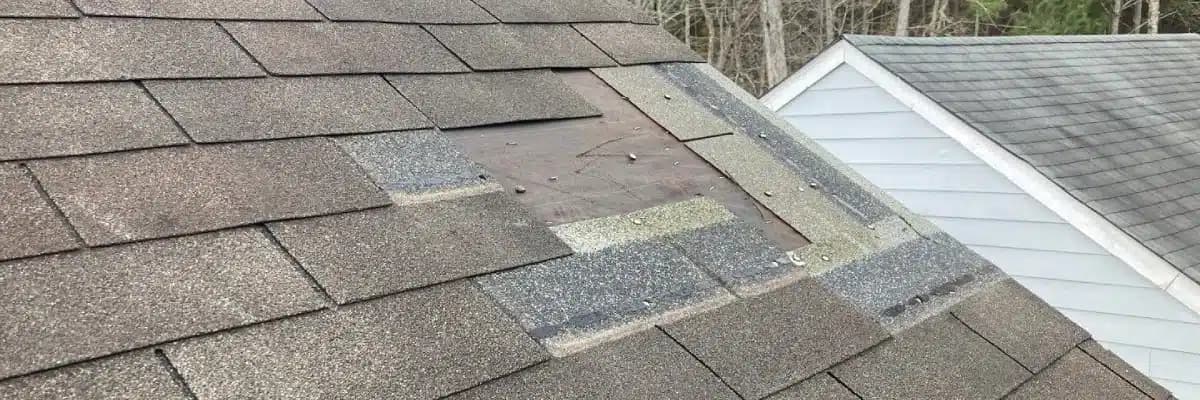
A roof leak does not always mean the entire roof has failed. Wind-driven rain can push water beneath damaged shingles, loose flashing, cracked pipe boots, worn sealant around roof penetrations, or compromised valley areas. Clogged gutters and downspouts can also allow water to back up where it should be draining away.
Storm damage can be subtle. A lifted shingle, bent flashing edge, displaced ridge cap, or damaged vent may not be easy to spot from the ground. On Ship Bottom and Long Beach Island properties, salt air, seasonal weather, strong coastal winds, and windblown debris can add stress to roof components over time. A professional inspection focuses on how the roof sheds water, not just on the nearest visible stain.
- Loose, damaged, or missing shingles
- Flashing issues around chimneys, walls, vents, or skylights
- Cracked pipe boots or damaged roof penetrations
- Valley, ridge, or edge damage after wind-driven rain
- Blocked gutters or drainage that forces water back toward the roof
When A Roof Leak Needs Urgent Repair
Arrange prompt roof repair when water is actively entering the home, the ceiling is swelling, insulation is wet, or the leak returns whenever it rains. It is also important to schedule an inspection after a storm if you see shingles in the yard, exposed underlayment, damaged flashing, or interior staining that was not there before.
Even a small drip can create bigger issues when moisture remains in insulation, framing, drywall, or flooring. A timely inspection can identify the roof entry point, explain whether emergency protection is needed, and help separate roofing repairs from any interior drying or restoration work.
What A Professional Roof Inspection Looks For
A professional roof repair inspection starts with the roof surface, drainage paths, flashing, penetrations, and the materials around the suspected leak. The technician also reviews accessible attic or interior areas for water tracks, wet insulation, and staining that can reveal how water traveled through the structure.
The goal is to identify the source and recommend the repair that addresses it. That may involve a targeted shingle, flashing, vent, pipe boot, drainage, or other roof repair. A clear inspection should explain the finding, the proposed work, and any conditions that should be monitored after the repair is complete. Express serves Ship Bottom, Long Beach Island, Ocean County, Monmouth County, Atlantic County, and nearby New Jersey communities.
Reduce The Chance Of Another Leak
Roof maintenance is most useful before the next major storm. Keep gutters and downspouts clear, trim branches that contact the roof, and arrange an inspection when you notice cracked sealant, loose flashing, damaged shingles, or changes around roof penetrations. After severe weather, walk around the property from the ground and look for debris, displaced materials, and water staining indoors.
For seasonal and shore homes, add a roof and attic check to opening and closing routines. Catching a small drainage or flashing issue early can help prevent a leak from reaching finished spaces during the next period of heavy rain.
Frequently Asked Questions
What Should I Do First If My Roof Is Leaking?
Protect people and belongings first. Contain active drips, move valuables, avoid electrical hazards, photograph the damage when safe, and do not climb onto a wet roof. Arrange a professional roof inspection once conditions allow.
Can I Put A Tarp On My Roof During A Storm?
Do not go onto a roof during rain, wind, lightning, or slippery conditions. Temporary protection should be installed only when it can be done safely by a qualified professional.
Why Does My Roof Leak Only During Heavy Rain?
Heavy or wind-driven rain can expose problems at flashing, shingles, valleys, vents, pipe boots, skylights, or drainage areas that do not leak in lighter rain. Water can also travel before reaching the interior ceiling stain.
Will A Small Roof Leak Get Worse?
It can. Repeated moisture can affect insulation, drywall, framing, finishes, and stored belongings even when the visible drip seems minor. An inspection can identify the source before the damage spreads.
Does Homeowners Insurance Cover A Leaking Roof?
Coverage depends on the policy, the cause of loss, maintenance history, and the specific damage. Document the conditions and contact your insurer directly for guidance about your policy.